
Sump Pumps in Indianapolis, IN
The pump in the corner is the hardest-working thing you own
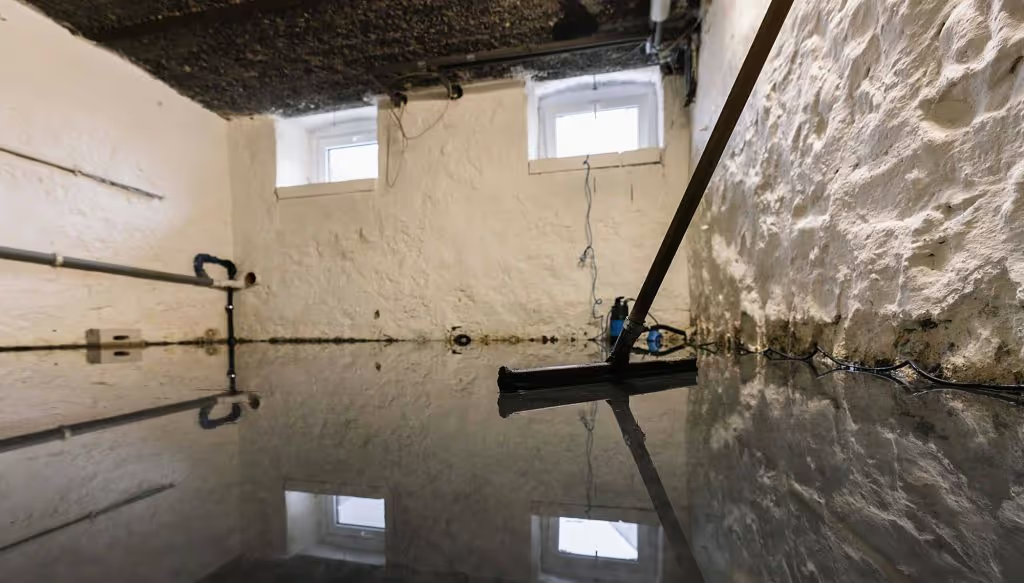
In a lot of Indianapolis basements, the sump pump is the only thing standing between a spring storm and a wet floor. Our clay soil drains slowly, so after heavy rain the water around the footing keeps arriving long after the sky clears. A pump that is too small runs nonstop and burns out. One that is oversized short-cycles and wears its switch. Older homes often have an open pit with a pump that was dropped in decades ago and never looked at again. Newer subdivision houses usually came with a basin, but the discharge line may dump water a few feet from the wall, where it soaks right back down to the footing. In January, a discharge line that freezes can stop the whole system cold. Power outages that come with summer storms are the other weak spot.
How we handle sump pumps in Indianapolis
Our inspector looks at the whole loop: how much water reaches the basin, how high the pump has to push it, where the discharge ends up, and whether the pit is open or sealed. We size the primary pump to the water volume your basement actually sees and the head height it has to lift, and we set it in a sealed basin with a check valve so water doesn't drain back after each cycle. Discharge gets routed far enough from the foundation that it leaves the property and stays clear of the footing drain. Where a failure would be expensive, such as a finished basement, we recommend a battery backup, because the storm that knocks out your power is often the same storm that fills the pit.
After installation the pump should run when water arrives and rest when it doesn't, and you should hear it less than you might expect. A sealed lid matters more than most people think. An open sump pit lets humidity and soil gas into the basement, so sealing it helps with musty air and supports radon mitigation if your home needs it. The pump is also the engine of any interior French drain system, which feeds water to the basin from the whole perimeter. If your basement is wet but you have no drain, the pump alone can only empty what reaches it. Michaelis Foundation Solutions explains each part in a written price, with financing available.
From the first call to a finished job
- 01
You call, we schedule
Someone at our Indianapolis office picks up and books your free inspection while you are on the phone.
- 02
Free on-site inspection
An inspector walks the Indianapolis property inside and out: basement or crawl space, grading, gutters and the lot. You see what they see.
- 03
A written price, explained
Scope, method and cost in writing, with financing options. Take the time you need to decide.
- 04
Our crew does the work
Michaelis employees do the job start to finish, clean up behind themselves and stay a phone call away afterward.
Sump Pumps questions from Indianapolis
My sump pump in Indianapolis runs constantly every spring. Is it too small or is something else wrong?
Constant running can mean the pump is undersized, the check valve has failed and water is flowing back, or the discharge is dumping water right back toward the footing. Our inspector checks all three. Spring in Indianapolis is when the clay is saturated, so that's when a weak setup shows itself.
We lost power during a storm in Indianapolis and the basement flooded. Should I get a battery backup pump?
If your basement is finished or stores things you care about, a battery backup is worth considering. It keeps pumping through the outage that so often comes with heavy storms. We match it to your primary pump and basin.
Our Indianapolis basement has an open sump pit with no lid. Does that matter?
It does. An open pit lets moisture and soil gas into the basement, which feeds musty air and can raise radon levels. We set pumps in sealed basins with a fitted lid, and that also keeps kids, pets and debris out of the pit.
I'm not sure where my Indianapolis sump pump discharge actually ends up. How do I know if it's routed right?
Follow the pipe outside. If it ends a few feet from the house, the water is likely soaking back down to your footing and being pumped again. We route discharge so the water leaves the property and stays clear of the foundation and the drain system.
The discharge line froze last winter at my Indianapolis house. Can that be prevented?
Freeze-ups usually happen where the line is exposed or sits where water can pool and ice over. When we install or rework a discharge, we plan the route and pitch so water clears the line. Our inspector will look at your current setup and the spot where it froze.
My old sump pump in Indianapolis still works. Should I replace it before it quits?
A pump that has been running for years can fail without warning, usually in the middle of a storm. Our inspector can check how it cycles, whether the check valve holds, and if it's sized to your water. Then you can decide whether to replace it on your schedule.
We're getting an interior drain in our Indianapolis basement. Do we need a new sump pump with it?
The drain sends water from the whole perimeter to one basin, so the pump has to keep up with that volume. Often the existing pump and pit aren't sized or sealed for it. We design the drain and the sump together so they work as one system.
Can I put a sump pump in my Indianapolis basement myself from the hardware store?
You can buy one, but sizing it to your water volume and lift height, sealing the basin, installing a check valve and routing the discharge are where most DIY setups fall short. A free inspection tells you what your basement actually needs. Our own crews handle the install if you want us to.
I'm worried my Indianapolis sump pump will fail while we're away. Is there a way to protect against that?
A battery backup covers power outages, and a correctly sized primary pump in a sealed basin with a working check valve is less likely to burn out. We can walk you through options that fit how you use the basement. It's a good thing to sort out before a long trip.
Our Indianapolis basement doesn't have a sump at all. Is it a big job to add one?
Adding a sump means cutting into the slab for a basin, setting the pump and sealed lid, and running a discharge line outside. Whether a pump alone will help depends on how water reaches the basement. Our inspector will tell you if you need a drain to feed it.
More basement waterproofing in Indianapolis
The whole service is on our basement waterproofing page, and we do this work across the area, from basement waterproofing in Indianapolis to Hamilton County.