
French Drain System in Indianapolis, IN
Water keeps finding the seam where your wall meets the floor
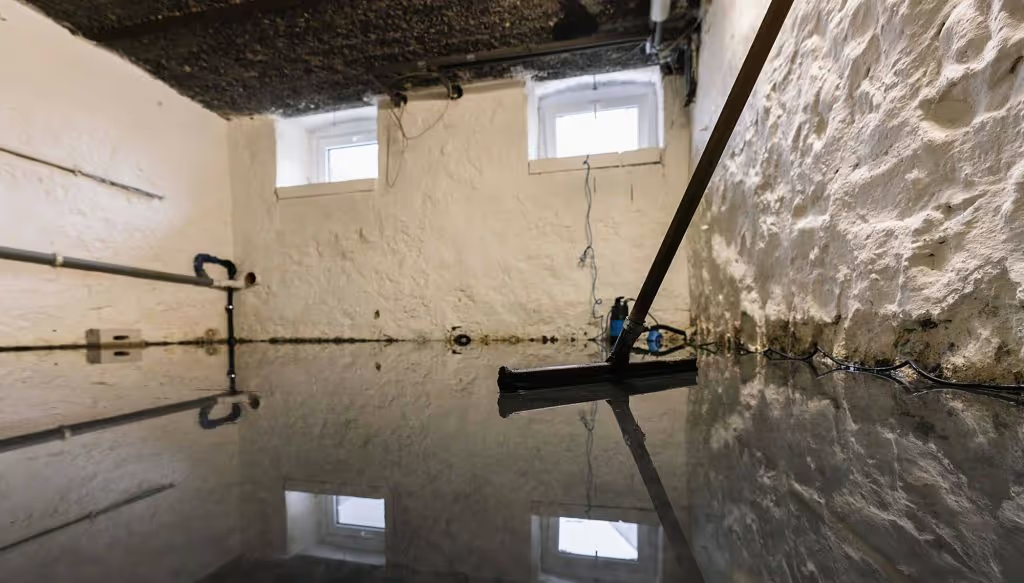
Most wet basements in Indianapolis leak in the same place: the cove joint, where the poured floor meets the bottom of the wall. The reason sits under the yard. Central Indiana is glacial till, a dense clay that soaks up spring rain and then holds it against the foundation for days. That water builds hydrostatic pressure, and pressure pushes through the weakest seam it can find. In older brick and block homes near downtown, water also collects inside the hollow block cores and seeps out low on the wall. In newer subdivisions the exterior drain tile was often laid quickly, and backfilled clay can smother it within a few seasons. Freeze-thaw winters add their own stress. The result is a damp stripe along the floor edge, a puddle after a hard storm, or white efflorescence creeping up the block.
How we handle french drain system in Indianapolis
Our inspector starts by tracing where the water actually enters. We look at gutters, downspouts and grading outside, then walk the basement perimeter with a moisture meter, checking the cove joint, block cores and any cracks. If an interior French drain is the right answer, our own crew opens the slab along the perimeter and sets perforated drain tile in washed stone right at the footing, the lowest point water can reach. On block walls we weep the cores so water trapped inside the wall can drain into the new pipe. The system runs to a sealed sump basin, and the discharge is carried away from the house. When the pipe and stone are in, we restore the concrete flush with the existing floor and clean up before we leave.
Expect the work to be loud and dusty along the edges of the room for a while, so anything stacked against the outside walls needs to move. Once the drain is in, it quietly intercepts water before it reaches your floor, which makes it the backbone that the rest of a basement system hangs on. A wall vapor barrier can tie into it so seepage behind the liner runs down into the drain. A sump pump sized to your water volume keeps it emptied. If a wall has started to bow, relieving that water pressure is half of the structural fix too. You get a written price from Michaelis Foundation Solutions that explains each piece of the job, along with financing options if you want to spread out the cost.
From the first call to a finished job
- 01
You call, we schedule
Someone at our Indianapolis office picks up and books your free inspection while you are on the phone.
- 02
Free on-site inspection
An inspector walks the Indianapolis property inside and out: basement or crawl space, grading, gutters and the lot. You see what they see.
- 03
A written price, explained
Scope, method and cost in writing, with financing options. Take the time you need to decide.
- 04
Our crew does the work
Michaelis employees do the job start to finish, clean up behind themselves and stay a phone call away afterward.
French Drain System questions from Indianapolis
Water only shows up along the bottom edge of my Indianapolis basement walls. Is a French drain the fix for that?
Water at the wall-floor joint is the classic sign of hydrostatic pressure from wet clay outside. An interior French drain sits at the footing and gives that water a path to the sump before it reaches the floor. Our inspector will confirm the entry point before recommending it.
We have an old block-wall basement in Indianapolis with white chalky stuff on the walls. Will a drain help with that too?
That chalky bloom is efflorescence, mineral left behind by water moving through the block. When we install the drain we weep the block cores, so water trapped inside the wall drains into the new pipe. Over time that cuts down the moisture that leaves those deposits.
I'm wondering why an interior French drain makes sense in Indianapolis clay when the problem is outside.
Indianapolis sits on heavy glacial clay that holds water against the foundation after rain. An interior drain catches that water at the footing, the lowest point it can reach, and relieves the pressure from the inside. It also lets the crew work without digging up your landscaping.
Our Indianapolis house is in a newer subdivision and already has drain tile outside. Why is the basement still wet?
Exterior tile can clog with silt or get smothered by backfilled clay, and then it stops carrying water. An interior perimeter drain works independently of it. Our inspector can look at where the water is getting in and tell you whether the outside system is the weak link.
If I get a French drain put in my Indianapolis basement, how torn up will the floor be?
The crew opens a strip of slab around the perimeter, so the edges of the room become a work zone. Furniture and storage need to come away from the outside walls. When the pipe and stone are set, we pour new concrete flush with the old floor and clean up.
My Indianapolis basement only leaks in the spring. Is it worth putting in a whole perimeter drain?
Spring is when the clay around Indianapolis is saturated and the water table is highest, so that's when pressure peaks. A drain that handles the worst week of the year handles the rest. We'll show you the moisture readings and you can decide with the facts in front of you.
Where does the water from a basement French drain go at my Indianapolis home?
The drain tile is piped to a sealed sump basin, and the pump sends the water out through a discharge line routed away from the foundation. We place that line so the water doesn't loop back to the footing and doesn't freeze shut in winter.
I'm planning to finish my Indianapolis basement next year. Should the French drain go in first?
Yes, drainage should be in before any framing or drywall goes up. Putting it in first means you're finishing a dry room. A wall vapor barrier that ties into the drain is usually the next step before the remodel.
Can I just dig a trench and lay some pipe myself in my Indianapolis basement?
Cutting a slab, setting pipe at the right depth in washed stone, weeping block cores and tying it all into a sealed sump takes the right tools and experience. A drain set too high or sloped wrong leaves water sitting where it does damage. A free inspection costs you nothing and tells you what your basement actually needs.
We're selling our Indianapolis house and the buyer's inspector flagged basement water. Does a French drain help the sale?
A dry basement is a strong selling point, and a properly installed drain system with a sump answers the inspector's concern directly. We give you a written description of the work, which you can share with the buyer. Financing is available if you need to do the work before closing.
More basement waterproofing in Indianapolis
The whole service is on our basement waterproofing page, and we do this work across the area, from basement waterproofing in Indianapolis to Hamilton County.