
Bowing Basement Walls in Indianapolis, IN
When the basement wall starts leaning into the room
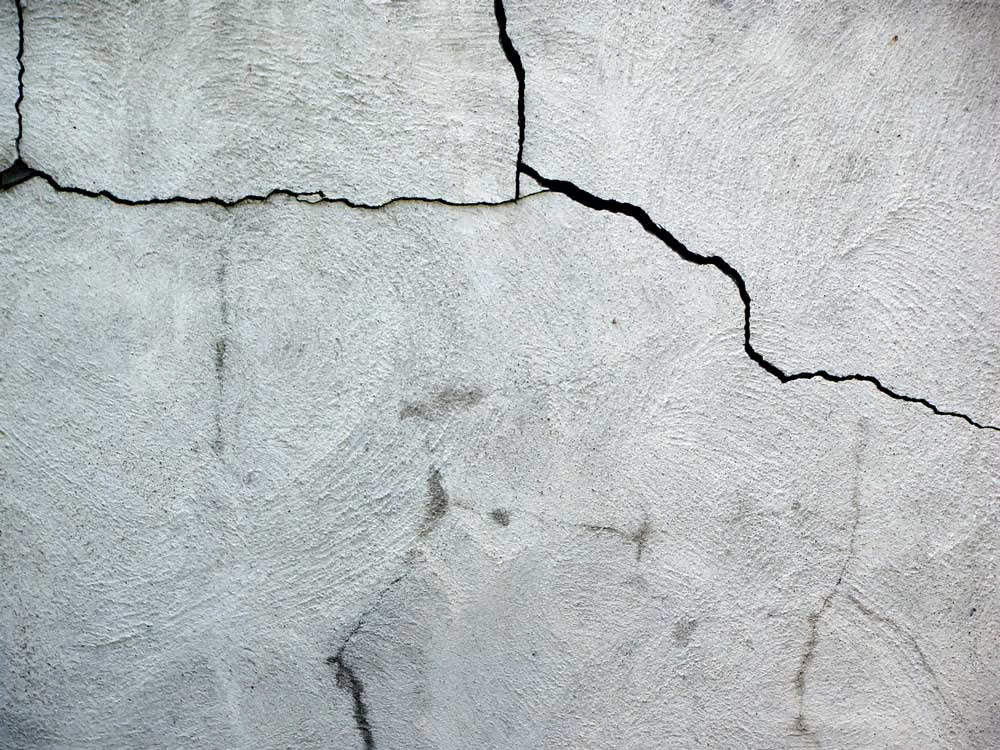
A basement wall in Indianapolis spends its whole life holding back clay. The glacial till under most of Marion County soaks up spring rain, swells, and pushes sideways against the block or poured concrete. In winter the wet soil freezes and adds its own shove. Older brick and block homes near downtown have taken decades of that, and the mortar joints show it first: a horizontal crack about halfway up, then a stair-step crack near a corner, then a visible belly in the wall. Newer subdivisions get it too when the backfill was loose and the downspouts dump right beside the foundation. A bowing wall is carrying a lateral load it was never designed for, and it keeps moving on a schedule you don't control.
How we handle bowing basement walls in Indianapolis
Our inspector starts by checking how far the wall has moved and where, then walks outside to see the grading, the downspouts and how much yard sits beside that wall. That yard decides a lot. Where there's room to reach stable soil, we install wall anchors: a steel plate on the inside tied to an earth anchor out in the yard, tensioned to stop the movement and often to recover some of the deflection. Where a driveway, a neighbor's house or a tight city lot is in the way, carbon fiber straps get bonded flush to the wall face with no digging and nothing protruding into the room. If the wall has dropped as well as bowed, footing piers carry it down to soil that can hold it.
Expect a written price for your Indianapolis home that explains which method goes on which wall and why. The anchors and straps stop the wall, and the other half of the job is the water pressure that bent it, so the inspection also looks at where that water comes from and whether the wall needs interior waterproofing alongside the structural repair. Relieving that pressure is what lets the repair hold. Bowing walls rarely travel alone. Upstairs you may find doors that stick, drywall cracks over the openings, or a floor that dips toward the bad wall, and we check for those so you see the full picture. Of everything on our foundation list, this is the symptom we'd want to look at soonest.
From the first call to a finished job
- 01
You call, we schedule
Someone at our Indianapolis office picks up and books your free inspection while you are on the phone.
- 02
Free on-site inspection
An inspector walks the Indianapolis property inside and out: basement or crawl space, grading, gutters and the lot. You see what they see.
- 03
A written price, explained
Scope, method and cost in writing, with financing options. Take the time you need to decide.
- 04
Our crew does the work
Michaelis employees do the job start to finish, clean up behind themselves and stay a phone call away afterward.
Bowing Basement Walls questions from Indianapolis
There's a horizontal crack halfway up my basement wall in Indianapolis and it seems to bulge a little. How worried should I be?
Take it seriously. A horizontal crack with a bulge usually means soil pressure is pushing the wall inward, and that kind of movement keeps going. Have it inspected soon so the wall can be measured and stabilized before it moves further.
My Indianapolis house sits close to the neighbor's, so there's barely any yard beside the bowed wall. Can it still be fixed?
Yes. Wall anchors need yard space to reach stable soil, so on a tight lot we usually use carbon fiber straps. They're bonded flush to the inside face of the wall and need no digging outside.
Will wall anchors pull my bowed basement wall in Indianapolis back to straight?
Anchors are tensioned to stop the movement first, and they can often recover some of the deflection. How much depends on the wall, the soil and how far it has already leaned. Our inspector will tell you what's realistic for your wall before any work starts.
Why would basement walls in Indianapolis bow when the rest of my house seems fine?
The clay soil around here holds water and swells, and freezing adds pressure in winter. A block or concrete wall is strong under downward load and much weaker against a sideways push, so it bends at the mortar joints. The rest of the house can look fine for a long while as that happens.
I'd like to finish my basement in Indianapolis, but one wall leans in a bit. Should I fix it before framing?
Yes, fix the wall first. Framing and drywall would hide the movement and make the repair harder later. Carbon fiber straps sit flush to the wall, which suits a basement you plan to finish.
We're selling our Indianapolis home and the buyer's inspector flagged a bowing wall. What happens next?
Start with a free inspection so you have a clear diagnosis and a written price for the repair. Buyers tend to respond better to a documented plan than to an unknown. We can explain the method we'd use so you can share it with them.
Is it safe for me to brace my bowed basement wall in Indianapolis with lumber myself?
Lumber bracing does little against the force of wet clay, and it can give a false sense of security. Stabilizing a wall means tying it to stable soil or reinforcing it with engineered material. Leave this one to a pro and have it inspected.
Does a bowing wall in my Indianapolis basement mean I also have a water problem?
Often the two go together. Water held in the soil is what builds the pressure, and the cracks it opens can let water in. We look at both, because a wall that's stopped while the water pressure stays high still has its cause in place.
Our Indianapolis basement wall bowed and one corner also seems to have sunk. Do anchors handle both?
Anchors address the inward movement. If the wall has dropped as well, footing piers carry that section down to soil that can hold it. The inspection sorts out which movement is which so each one gets the right repair.
How much will bowing wall repair disrupt my Indianapolis basement?
You'll need to clear stored items away from the affected wall so the crew can work along it. Anchors involve some work in the yard as well, while straps stay entirely inside. Our crew walks you through the setup before the job starts.
More foundation repair in Indianapolis
The whole service is on our foundation repair page, and we do this work across the area, from foundation repair in Indianapolis to Hamilton County.