
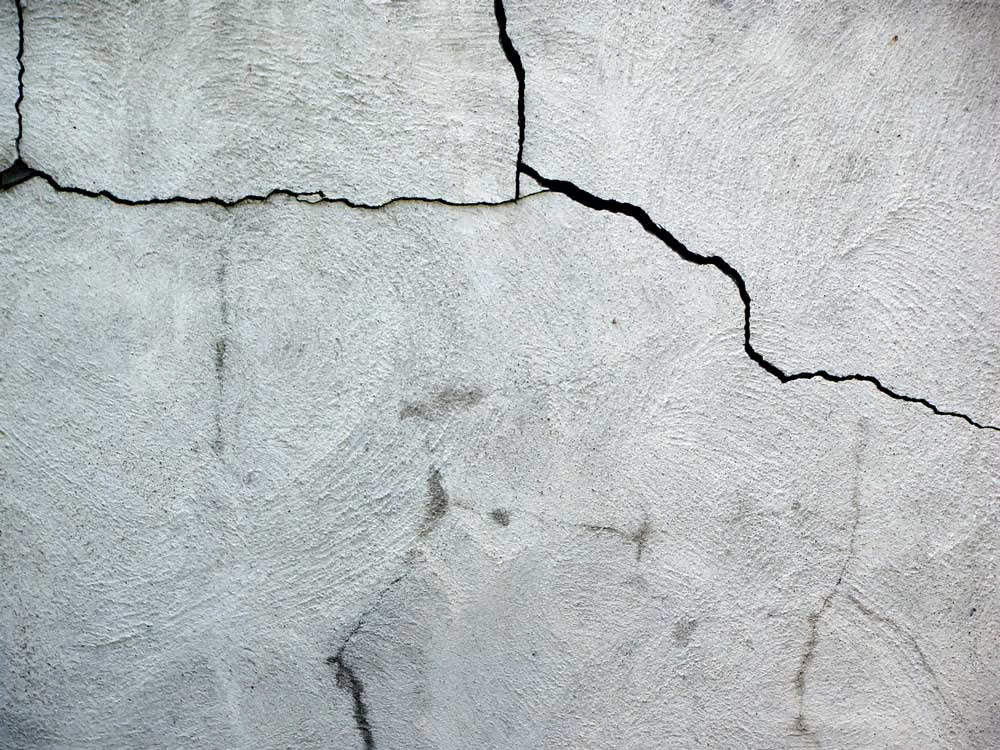
Drywall Cracks in Indianapolis, IN
The crack you patched last year is back again
Drywall is the thinnest, most brittle surface in an Indianapolis house, so it's usually the first place structural movement shows above grade. Some cracks are only tape seams and seasonal drying. The ones that matter tend to run diagonally from the corner of a door or window frame, come back after every patch, or widen from one season to the next. Around the city, the clay soil under the foundation swells in a wet spring and shrinks in late summer, and freeze-thaw winters add another push. Older homes with plaster walls show it as long, branching cracks. In newer subdivisions, a crack above a closet door or a line of popped nails can be the first hint that a corner is settling.
How we handle drywall cracks in Indianapolis
We inspect from below before recommending any cosmetic work. Our inspector notes where each crack is, which way it runs and whether the two sides have shifted out of plane, then heads to the basement or crawl space under that wall. There we look for a settled footing, a bowing wall, or a crawl space post that has sunk or rotted. The cause decides the repair: footing piers for a section that has dropped, wall anchors or carbon fiber straps for a wall being pushed inward, and new supports under a sagging floor. If the structure is stable, the repair is genuinely cosmetic and we'll say so plainly.
If the structure is still moving, patching first just means paying for the same drywall twice. The width of a crack matters less than its pattern and whether it's changing over time, which is exactly what a free inspection establishes. You'll get a written price for your Indianapolis home that explains the structural repair, and once that's done your painter or drywall finisher can make the walls right. Drywall cracks rarely appear alone. Check whether doors near them stick, whether the floor slopes toward that wall, and whether the brick or siding outside shows a matching crack. Those clues help us find the part of the house that moved.
From the first call to a finished job
- 01
You call, we schedule
Someone at our Indianapolis office picks up and books your free inspection while you are on the phone.
- 02
Free on-site inspection
An inspector walks the Indianapolis property inside and out: basement or crawl space, grading, gutters and the lot. You see what they see.
- 03
A written price, explained
Scope, method and cost in writing, with financing options. Take the time you need to decide.
- 04
Our crew does the work
Michaelis employees do the job start to finish, clean up behind themselves and stay a phone call away afterward.
Drywall Cracks questions from Indianapolis
A crack keeps coming back above my bedroom door in Indianapolis every time I patch it. Why?
A crack that returns through fresh patching means the framing behind it is still moving. That often traces back to settlement under that wall. Fixing the cause first lets the next patch last.
How do I know if the drywall crack in my Indianapolis living room is just cosmetic?
Thin, straight cracks along tape seams that don't grow are often cosmetic. Diagonal cracks from door or window corners, or ones that widen, are more likely structural. Our inspector checks underneath before calling it either way.
My Indianapolis house has old plaster walls covered in cracks. Are they all foundation problems?
Plaster cracks with age and with normal seasonal movement, so many are minor. Long diagonal cracks or clusters near openings can point to settling. We'll sort the old, stable cracks from the active ones.
We just repainted our Indianapolis home and new cracks showed up soon after. Is that settling?
It might be. New cracks after painting can be seasonal shrinkage in the drywall, or a sign the structure is moving. Their direction and location tell us which, and an inspection underneath confirms it.
Should I fix the drywall cracks in my Indianapolis house before or after foundation repair?
After. If the structure is still moving, patching first just means paying for the same drywall twice. Once the foundation or supports are stabilized, the finish repair can hold.
The ceiling in my Indianapolis hallway has a crack running toward an outside wall. Does that mean anything?
A ceiling crack that heads toward an exterior wall can mean that wall has dropped or shifted. It's worth an inspection of the foundation along that side of the house.
I'm selling my Indianapolis home and there are fresh patches on the walls. Will a buyer care?
A buyer's inspector may ask why the walls were patched. If you've had the structure checked and it's stable, that's easy to explain. If it isn't, you'll want a diagnosis and a written plan before listing.
My Indianapolis house has cracks upstairs but the basement looks fine to me. Where else could the cause be?
Settlement can be subtle in a basement, and a crawl space post or beam under one section can sink without obvious signs from above. Our inspector checks footings, walls and supports to find the source.
Will the cracks in my Indianapolis drywall close up after the foundation is stabilized?
Some may narrow as a settled section is lifted back toward level, and others will still need finishing. The point of the structural repair is to stop new cracks from forming. After that, a drywall finisher can patch with confidence.
Is it normal for drywall in my new Indianapolis home to crack in the first winter?
Some cracking at seams and corners is common as new lumber dries out. Cracks that keep growing, or come with sticking doors and sloping floors, suggest something more. If you're unsure, a free inspection settles it.
More foundation repair in Indianapolis
The whole service is on our foundation repair page, and we do this work across the area, from foundation repair in Indianapolis to Hamilton County.