
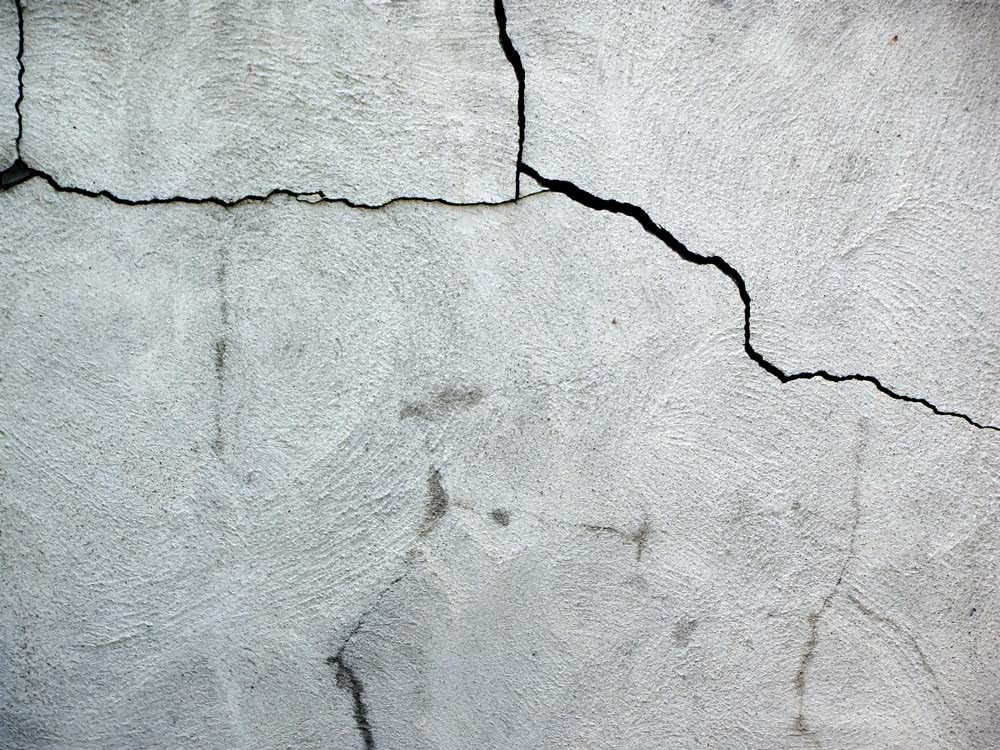
Brick Cracking in Indianapolis, IN
Stair-step cracks in the brick are worth a closer look
Brick shows foundation movement from the outside. When part of a house settles, the rigid veneer can't bend with it, so it splits along the mortar joints in a stair-step pattern or pulls away from a window frame, a chimney or the trim at a corner. Indianapolis has a lot of brick: older homes near downtown with solid masonry walls, and newer subdivisions with brick fronts over wood framing. Both sit on clay till that swells in spring rain and shrinks in a dry summer, and freeze-thaw winters widen any gap water can reach. Wood siding and paneling react to the same stress with split boards and seams that open up along the bottom courses.
How we handle brick cracking in Indianapolis
Our inspector reads the cracks from outside first: where they start, which way they step, whether the brick on one side has dropped below the other, and whether a gap has opened at windows or doors. Then we check the foundation under that section, including the footing, the basement or crawl space wall behind it, and the drainage around it. The repair is chosen to match what the inspection actually finds. Footing piers carry a settled section down to load-bearing soil. Wall anchors or carbon fiber straps hold a foundation wall that is being pushed in. Sometimes the brick is reacting to soil movement at a single corner, and the fix stays small.
Exterior cracks also let water into the wall, which raises the risk of mold, water damage and further structural trouble. They can give pests like termites a way in, too. So it pays to act early. You'll get a written price for your Indianapolis home that explains the cause and the method, and our own crew does the foundation work. Inside, look for drywall cracks on the same wall, sticking doors and windows near the cracked brick, and floors that slope toward that side. A matching set of symptoms inside and out tells us which part of the foundation needs support, and stabilizing it is what keeps the brick from opening further.
From the first call to a finished job
- 01
You call, we schedule
Someone at our Indianapolis office picks up and books your free inspection while you are on the phone.
- 02
Free on-site inspection
An inspector walks the Indianapolis property inside and out: basement or crawl space, grading, gutters and the lot. You see what they see.
- 03
A written price, explained
Scope, method and cost in writing, with financing options. Take the time you need to decide.
- 04
Our crew does the work
Michaelis employees do the job start to finish, clean up behind themselves and stay a phone call away afterward.
Brick Cracking questions from Indianapolis
There's a stair-step crack running through the brick at the corner of my Indianapolis house. Is that serious?
Stair-step cracks in brick usually mean the foundation under that corner has moved. They're worth an inspection, especially if the crack is wider at one end or the bricks on each side no longer line up.
The brick on my Indianapolis home is pulling away from the window frame. What's causing it?
A gap opening between brick and a window frame often means the wall below has settled or rotated. We check the foundation under that window and the wall behind the veneer to find which.
Can I repoint the cracked mortar on my Indianapolis house myself and call it fixed?
Repointing makes the wall look better and slows water, but fresh mortar cracks again if the foundation is still moving. Confirm the structure is stable first, then repoint.
My Indianapolis house has wood siding, and some boards have split near the foundation. Is that the same issue?
It can be. Siding and paneling crack or separate when the frame shifts above a settling foundation. Moisture and age can do it too, and an inspection sorts out which.
I've noticed the crack in my brick in Indianapolis lets water in during storms. Should I be worried about mold?
Water getting into the wall cavity can lead to mold and wood damage over time. Sealing the crack helps, and finding out why it opened matters more. We look at both the foundation and how water reaches that wall.
Our chimney in Indianapolis looks like it's leaning away from the house. Is that a foundation problem?
A chimney that pulls away often sits on its own footing, and if that footing settles the chimney tips. It's worth having the footing and the soil around it checked. Our inspector will tell you what's causing it and what the options are.
We're looking at an older brick home in Indianapolis with cracks in the front wall. What should we ask about?
Ask whether the cracks have been repaired before and whether they've reopened. Look inside the same wall for drywall cracks or sticking doors. A foundation inspection before you buy gives you a clear picture.
Could the termites in my Indianapolis home be related to cracks in the brick?
Cracks and gaps in the exterior can give termites and other pests a way in. A pest professional handles the termites, and we can look at whether the cracks come from foundation movement.
Do the brick cracks on my Indianapolis house get worse in winter?
They can. Water that gets into a crack freezes and expands, which pushes the gap wider. A crack that grows each winter is a good reason to have the foundation checked.
How will you decide which repair method to use on my cracked brick home in Indianapolis?
It depends on what the inspection finds under the brick. A settled footing usually calls for footing piers, and a foundation wall being pushed in calls for wall anchors or carbon fiber straps. We explain the choice in your written price.
More foundation repair in Indianapolis
The whole service is on our foundation repair page, and we do this work across the area, from foundation repair in Indianapolis to Hamilton County.