
Foundation Repair in Lapel, IN
Small-town house, big-time pressure on the basement walls
Lapel is a small town in western Madison County, between Anderson and Noblesville, with farm ground on every side. The town is a mix of older homes near its main street and newer houses built as the area has grown. Under them is flat glacial till, a sticky clay that drinks up spring rain and holds it against foundation walls long after the yard looks dry. The town is close enough to Indianapolis that many families commute, yet it keeps the feel of a farm town. Rain that lands on these level lots soaks straight down along the foundation, and the clay keeps it there through most of a wet spring.
Foundation Repair for Lapel homes
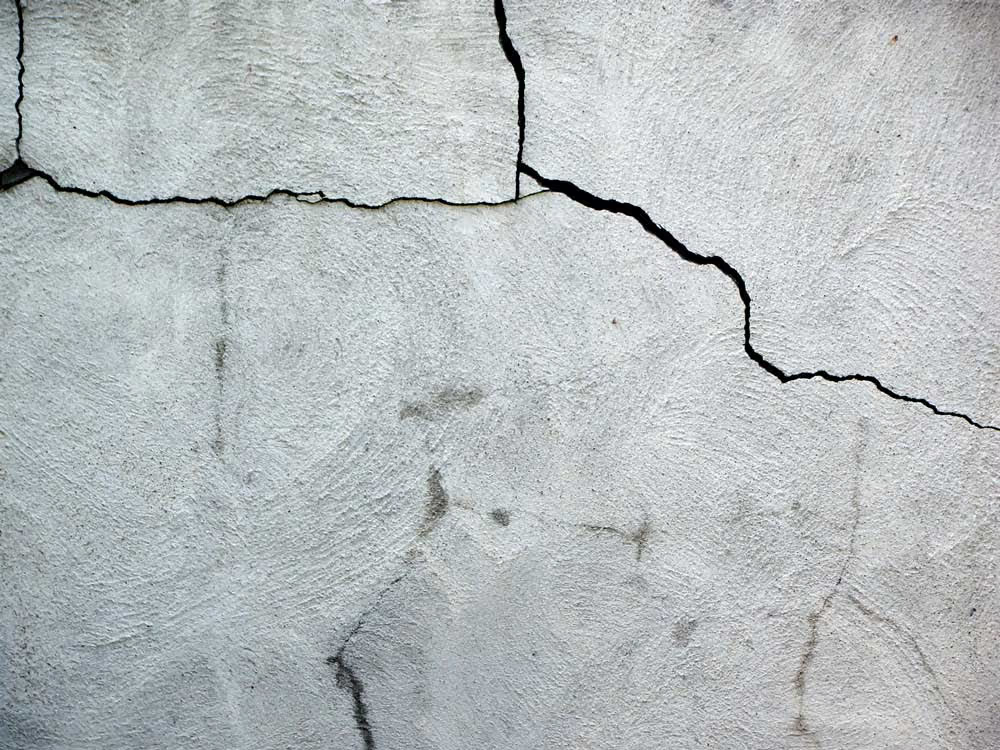
That steady pressure is why Lapel homeowners call about foundations. Block basement walls crack in a stair-step pattern and begin to bow near the middle. Poured walls crack at the corners of windows. When summer turns dry, the clay shrinks and parts of the house settle a little, so doors stick, windows bind, and drywall splits above openings. Floors may slope toward a sinking corner. Cracked brick outside often lines up with the trouble below. Many homeowners first notice a gap between the baseboard and the floor, or a window that won't lock anymore. A small crack that seems harmless one year can be twice as wide a few years later.
We drive out from our Indianapolis shop for a free inspection in Lapel, with no travel charge. Our inspector checks your downspouts and grading, then measures cracks and wall movement inside. Bowing walls can be held with wall anchors or carbon fiber straps. Settled corners can be supported with footing piers driven deeper than the clay that's moving. Our own crew does the work, and you get the price in writing first. If grading or downspouts are sending water toward your walls, we'll show you what to change, so the repair isn't fighting the same pressure.
What foundation repair in Lapel involves
A foundation in Lapel moves for a reason, and the repair has to answer that reason. These are the four ways we stabilize it, chosen after the inspection.
Wall crack repair
Cracks are sealed from the inside to stop water, and structural cracks get reinforcement so they stay closed.
Bowing wall stabilization
Wall anchors or carbon fiber straps hold a wall that has been pushed inward, and can bring some walls back over time.
Footing piers for settling
Piers driven down to firm soil support a footing that has sunk, which is what sticking doors and sloping floors often point to.
Brick and drywall cracks
Stair-step cracks outside and cracks above door frames inside are traced back to the movement that caused them.
From the first call to a dry, solid house in Lapel
- 01
You call, we schedule
Someone at our Indianapolis office picks up and books your free inspection while you are on the phone.
- 02
Free on-site inspection
An inspector walks the Lapel property inside and out: basement or crawl space, grading, gutters and the lot. You see what they see.
- 03
A written price, explained
Scope, method and cost in writing, with financing options. Take the time you need to decide.
- 04
Our crew does the work
Michaelis employees do the job start to finish, clean up behind themselves and stay a phone call away afterward.
Foundation Repair questions from Lapel
The basement wall in my Lapel house is bowing near the middle. How soon should I deal with it?
Sooner is better. A bowing wall is being pushed by soil pressure and usually keeps moving. We'll measure it, and wall anchors or carbon fiber straps can stop further movement.
I've noticed drywall cracks above the doors in my Lapel home. Are they from settling?
Cracks at door corners are a common sign of settling. They can also come from normal shrinkage in newer homes. An inspection will tell you whether the foundation has moved.
Does Lapel's distance from Indianapolis mean I'll pay a trip charge?
No. The inspection is free and there's no travel charge for Lapel. You'll get a written price with no obligation.
We're buying an older house near downtown Lapel. Should we check the foundation before closing?
Yes. Older homes often have some movement, and it's good to know how much before you buy. Our inspector can measure the walls and floors and give you a written price for any repair.
My Lapel basement has a horizontal crack and a little water coming in. Is that one problem or two?
Often it's both. Wet clay pushes the wall inward and forces water through the crack. We look at the wall movement and the water together and explain the repair in writing.
Can I fill the foundation cracks in my Lapel house myself?
You can fill a small crack to keep out water, but filling won't stop a wall that's moving. If the crack is wider at one end or keeps growing, the wall needs support. We'll tell you which kind you have.
Is there financing for foundation repair in Lapel?
Yes, financing is available. We'll go over the options when you get your written price.
How do carbon fiber straps hold a basement wall in my Lapel home?
The straps bond to the wall with epoxy and anchor at the top and bottom. They keep the wall from bowing further. They work best on walls that haven't moved too far, which is why we measure first.
My Lapel house is on flat ground. Why does the foundation have trouble?
Flat ground lets rain soak in beside the house, and clay holds that water. The clay swells against the walls when wet and shrinks when dry. That cycle is the main cause of foundation movement in Madison County.
We've lived in Lapel for years and just noticed a door won't latch. Should I call?
A single door can drift for many reasons, but if it's new and others start to follow, the foundation may be settling. A free inspection will tell you what's going on.
More from Michaelis Foundation Solutions around Lapel
Other services in Lapel
Foundation Repair near Lapel
Every part of the job is explained on our foundation repair page, and the towns we cover are on the service areas page.