
Foundation Repair in Homecroft, IN
Early-century houses come with early-century foundations
Homecroft is a small town in Perry Township on the south side, laid out as a residential suburb in the early twentieth century. Many of its homes date from that era and sit on modest lots. Houses of that age often rest on block, brick or early poured foundations, built before modern drainage practice. They have done well to last this long on central Indiana clay, which swells in the spring rains and shrinks hard in summer drought. Freeze-thaw winters add another push every year, and a foundation that has stood this long has felt plenty of them.
Foundation Repair for Homecroft homes
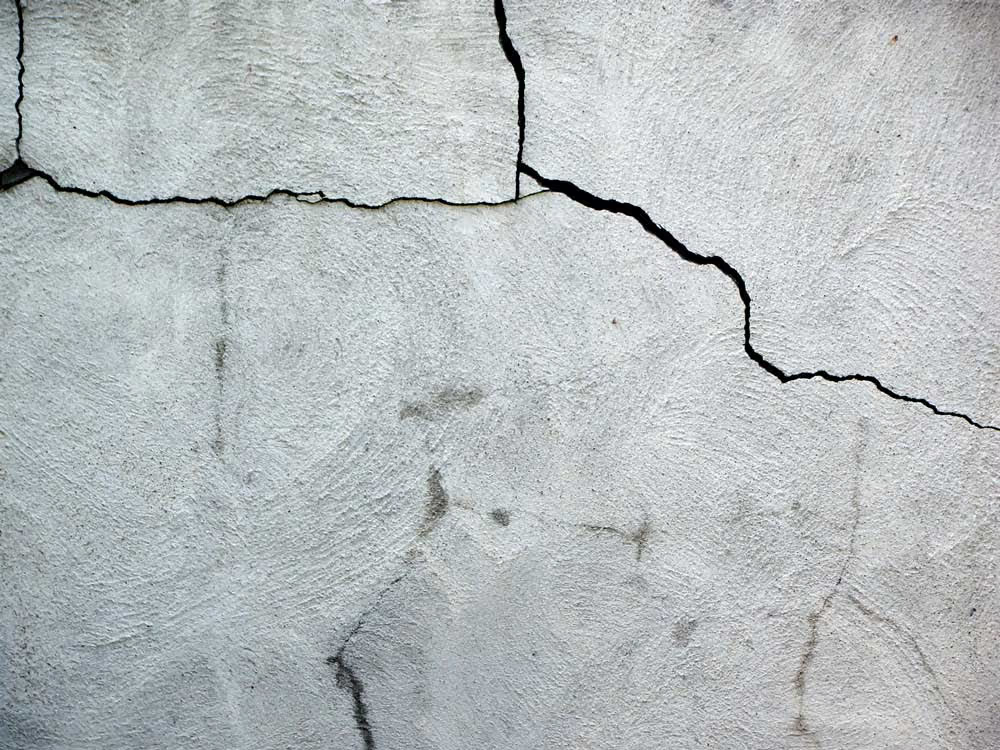
In Homecroft, generations of those cycles show. Brick foundation walls can lose mortar and lean, and block walls develop horizontal cracks and bows. Footings settle unevenly, so floors slope and old wood doors stick. Plaster cracks above doorways and at corners. Modest lots often put downspouts and a neighbor's drainage close to the house, keeping the soil around the foundation wetter than it should be. Chimneys and porches on these early houses may sit on their own small footings and settle at their own pace. Additions built later often sit on shallower footings, so a crack forms where old meets new and a back room floor can dip.
Our inspector treats a Homecroft home with the care an older house needs. We check the foundation material and the mortar, look at the walls for bowing and the footings for settling, and follow where water goes outside. Wall anchors or carbon fiber straps can stabilize a bowed wall, and footing piers support sections that have dropped. Our own crew does the repair, and you get a written price that covers each step. We also explain which cracks are simply old and stable, so you can leave those alone and put your money where it counts.
What foundation repair in Homecroft involves
A foundation in Homecroft moves for a reason, and the repair has to answer that reason. These are the four ways we stabilize it, chosen after the inspection.
Wall crack repair
Cracks are sealed from the inside to stop water, and structural cracks get reinforcement so they stay closed.
Bowing wall stabilization
Wall anchors or carbon fiber straps hold a wall that has been pushed inward, and can bring some walls back over time.
Footing piers for settling
Piers driven down to firm soil support a footing that has sunk, which is what sticking doors and sloping floors often point to.
Brick and drywall cracks
Stair-step cracks outside and cracks above door frames inside are traced back to the movement that caused them.
From the first call to a dry, solid house in Homecroft
- 01
You call, we schedule
Someone at our Indianapolis office picks up and books your free inspection while you are on the phone.
- 02
Free on-site inspection
An inspector walks the Homecroft property inside and out: basement or crawl space, grading, gutters and the lot. You see what they see.
- 03
A written price, explained
Scope, method and cost in writing, with financing options. Take the time you need to decide.
- 04
Our crew does the work
Michaelis employees do the job start to finish, clean up behind themselves and stay a phone call away afterward.
Foundation Repair questions from Homecroft
Our Homecroft house has a brick foundation and the mortar is crumbling. Is that dangerous?
Crumbling mortar weakens a brick wall over time, especially if the wall is also bowing. Our inspector checks how sound the wall is and whether it has moved, and the repair depends on what we find.
The plaster in my Homecroft hallway cracked again right after I repaired it. What's happening?
Cracks that return quickly usually mean the house is still moving. The cause is often a footing that's settling or a wall that's shifting. Fixing the foundation lets the plaster repair last.
My Homecroft lot is small and the neighbor's downspout drains toward my house. Could that hurt my foundation?
Yes. Extra water near your wall keeps the clay saturated and adds pressure. Talk with your neighbor about redirecting it, and if your wall has already moved, it may need anchors or straps.
I'm in an older Homecroft home with wood doors that stick in summer. Is that only the wood swelling?
Humidity plays a part, but doors that stick more each year or bind at the top often point to a frame that has shifted. Our inspector can check the floor and foundation near those doors.
We're thinking of buying an early-1900s house in Homecroft. What should I look for in the basement?
Look for horizontal cracks, walls that lean or bow, cracks wider at one end, and signs of water. A free inspection before you buy gives you a clear picture.
Can my Homecroft home's old block walls be strengthened without replacing them?
Often, yes. Wall anchors and carbon fiber straps stabilize existing walls in place. The inspector checks whether the block is sound enough for that.
Our Homecroft house has a crawl space under the back addition and the floor there dips. Is it tied to the main foundation?
Maybe. Additions often have their own shallower footings, which can settle separately. The inspector checks both.
I'm on a budget in Homecroft. Can I find out how bad my foundation is before committing to anything?
Yes. The inspection is free with no obligation. You get the findings and a written price, and then you decide.
Will a foundation repair at my Homecroft house disturb my old plaster walls?
The work happens at the foundation, so the plaster is usually left alone. Stabilizing the foundation can actually help old plaster hold up. The inspector will point out anything to be aware of.
Should I fix the foundation on my Homecroft house before or after I redo the floors?
Before. Floors laid over a moving foundation will crack or separate. Stabilize first, then refinish.
More from Michaelis Foundation Solutions around Homecroft
Other services in Homecroft
Foundation Repair near Homecroft
Every part of the job is explained on our foundation repair page, and the towns we cover are on the service areas page.